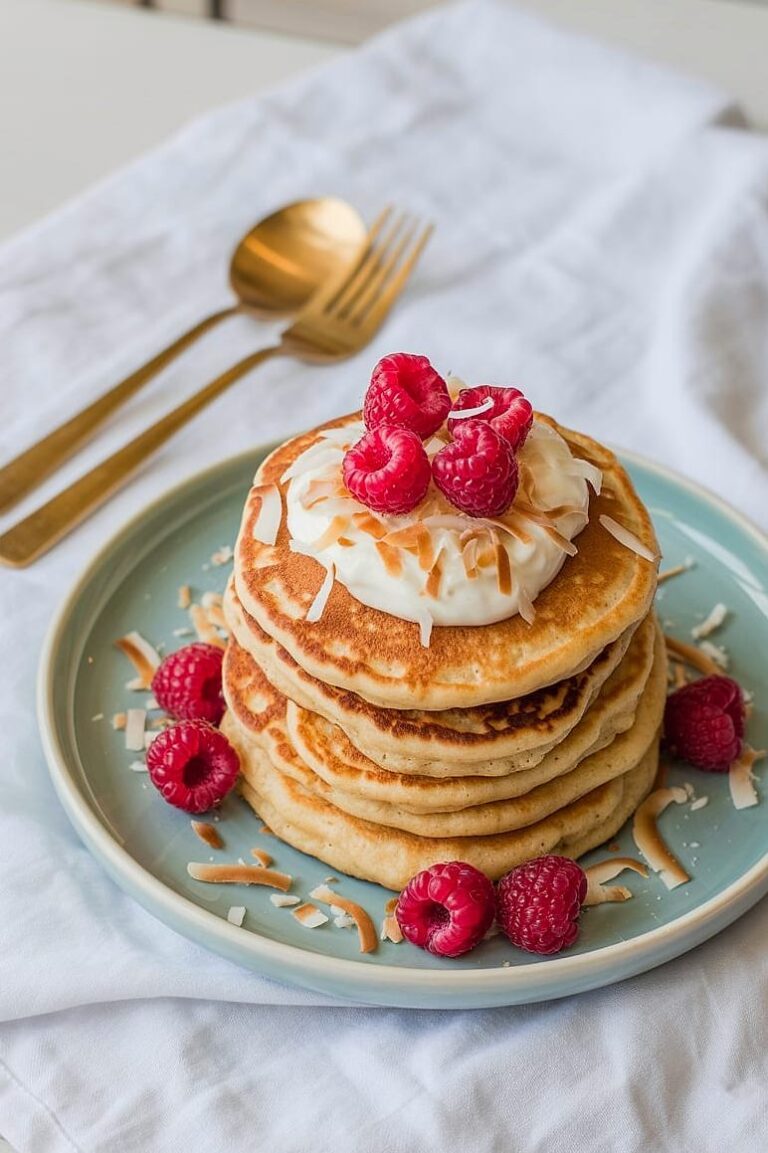
1500 Calorie High-Protein Meal Plan For Energy & Results
- Portion sizes matter here. Because the calorie target is specific, measuring cups, a food scale, or at least a good eyeball estimate will help you stay accurate.
- Swap proteins freely. If you don’t eat chicken, swap in turkey or tofu at similar quantities. If fish isn’t your thing, shrimp or more chicken works fine.
- Prep on Sunday if you can. Cooking a batch of chicken, hard-boiling a dozen eggs, and washing your vegetables ahead of time turns this from a project into something you can grab and go.
- Numbers are estimates. Actual calories and macros will shift slightly depending on brands, exact weights, and any substitutions you make.
1500 Calorie High-Protein Meal Plan For Energy & Results
Fourteen hundred calories of the wrong foods leaves you hungry by 10 a.m. Fifteen hundred calories built around protein leaves you full, focused, and actually able to finish your workout without thinking about lunch the entire time. That’s the difference this plan is built around.
This is a 7-day plan designed to hit roughly 1,500 calories a day while keeping protein high, generally somewhere between 100 and 130 grams daily depending on your exact ingredients and portions. That protein target matters more than people expect. It’s the thing that keeps you satisfied on fewer calories, helps preserve muscle if you’re also exercising, and honestly just makes food more enjoyable because you’re not eating sad little portions of low-calorie filler.
I’ve put together a full week here: breakfast, lunch, dinner, and one snack each day, with approximate macros for every meal and a daily total so you can see exactly where things land. The meals reuse ingredients strategically so your grocery list stays manageable, but no two days feel identical. Let’s get into it.
Who This Plan Is For
A 1,500 calorie target works for a lot of people, but not everyone. It tends to suit smaller-framed adults, people who are moderately active rather than training for a marathon, or anyone whose goal is steady, sustainable fat loss rather than a crash diet. If you’re very active, taller, or have higher energy needs, you can scale portions up and the meals will still work.
This isn’t a medical prescription. If you have a health condition, are pregnant, or have specific dietary needs, it’s worth checking with a doctor or registered dietitian before making changes to your intake, and the Mayo Clinic has solid general guidance on protein needs if you want to read more on that.
Image Prompt: Bright, clean overhead photograph of a full day’s worth of meals arranged on a light wooden table, including a bowl of Greek yogurt with berries, a chicken salad in a glass container, a piece of baked salmon with vegetables, and a small dish of almonds, natural window light, soft shadows, minimal styling, neutral linen napkin, Pinterest-friendly vertical composition, appetizing and realistic food photography.
How This Plan Works
Each day includes four meals: breakfast, lunch, dinner, and one snack. Every meal leans on a solid protein source, whether that’s eggs, chicken, fish, Greek yogurt, cottage cheese, or legumes, paired with vegetables and a modest amount of carbohydrate and fat to keep things balanced.
A few practical notes before you dive in:
- Portion sizes matter here. Because the calorie target is specific, measuring cups, a food scale, or at least a good eyeball estimate will help you stay accurate.
- Swap proteins freely. If you don’t eat chicken, swap in turkey or tofu at similar quantities. If fish isn’t your thing, shrimp or more chicken works fine.
- Prep on Sunday if you can. Cooking a batch of chicken, hard-boiling a dozen eggs, and washing your vegetables ahead of time turns this from a project into something you can grab and go.
- Numbers are estimates. Actual calories and macros will shift slightly depending on brands, exact weights, and any substitutions you make.
If mornings are your weak spot, you might also like this approach in [a dedicated high-protein breakfast guide], which pairs well with the lunches and dinners below.
Day 1
Breakfast: Veggie Scramble with Cottage Cheese
Cottage cheese folded into eggs sounds strange until you try it. It melts slightly as it cooks and adds a noticeable protein boost without changing the flavor much.
Ingredients
- 2 large eggs
- 1/4 cup low-fat cottage cheese
- 1/2 cup diced bell pepper
- 1/2 cup baby spinach
- 1 tsp olive oil
- Salt and pepper to taste
Instructions
- Heat the olive oil in a nonstick pan over medium heat.
- Add the bell pepper and cook for 2-3 minutes until slightly softened.
- Add the spinach and cook until wilted, about 1 minute.
- Whisk the eggs and cottage cheese together, then pour into the pan.
- Scramble gently until the eggs are just set, about 3 minutes. Season and serve.
Macros
Calories: approximately 290
Protein: approximately 24 g
Carbohydrates: approximately 8 g
Fat: approximately 17 g
Fiber: approximately 2 g
Lunch: Grilled Chicken and Chickpea Salad
This one travels well, which makes it a solid choice if you’re eating at a desk.
Ingredients
- 4 oz grilled chicken breast, sliced
- 1/2 cup canned chickpeas, rinsed and drained
- 2 cups mixed greens
- 1/4 cup cucumber, diced
- 1/4 cup cherry tomatoes, halved
- 1 tbsp olive oil
- 1 tbsp lemon juice
Instructions
- Combine the greens, chickpeas, cucumber, and tomatoes in a bowl.
- Top with the sliced chicken.
- Whisk the olive oil and lemon juice together and drizzle over the salad before serving.
Macros
Calories: approximately 350
Protein: approximately 34 g
Carbohydrates: approximately 21 g
Fat: approximately 15 g
Fiber: approximately 6 g
Dinner: Baked Salmon with Roasted Broccoli
Salmon is one of the easiest proteins to cook well without much effort, and it pairs nicely with almost any vegetable you have on hand.
Ingredients
- 5 oz salmon fillet
- 2 cups broccoli florets
- 1 tbsp olive oil, divided
- 1 clove garlic, minced
- Salt, pepper, and a squeeze of lemon
Instructions
- Preheat the oven to 400°F.
- Toss the broccoli with half the olive oil, the garlic, salt, and pepper, and spread on a sheet pan.
- Place the salmon on the same pan, drizzle with the remaining oil, and season.
- Roast for 15-18 minutes, until the salmon flakes easily and the broccoli is tender.
- Finish with a squeeze of lemon.
Macros
Calories: approximately 360
Protein: approximately 33 g
Carbohydrates: approximately 10 g
Fat: approximately 21 g
Fiber: approximately 4 g
Snack: Greek Yogurt with Almonds
Ingredients
- 3/4 cup plain Greek yogurt
- 10 almonds, roughly chopped
Instructions
- Spoon the yogurt into a bowl and top with the chopped almonds.
Macros
Calories: approximately 190
Protein: approximately 18 g
Carbohydrates: approximately 8 g
Fat: approximately 9 g
Fiber: approximately 2 g
Approximate Day 1 Total
Calories: 1,190
Protein: 109 g
Carbohydrates: 47 g
Fat: 62 g
Fiber: 14 g
That total sits a bit under 1,500, which gives you room to add a piece of fruit or an extra tablespoon of nuts if you need it. I’d rather build in flexibility than force you to eat exactly to the calorie.
Day 2
Breakfast: Protein Overnight Oats
Set this up the night before and breakfast is done before you’ve even had coffee.
Ingredients
- 1/2 cup rolled oats
- 1 scoop vanilla protein powder
- 3/4 cup unsweetened almond milk
- 1/2 cup blueberries
- 1 tsp chia seeds
Instructions
- Combine the oats, protein powder, almond milk, and chia seeds in a jar.
- Stir well and refrigerate overnight.
- Top with blueberries before eating.
Macros
Calories: approximately 320
Protein: approximately 28 g
Carbohydrates: approximately 38 g
Fat: approximately 7 g
Fiber: approximately 7 g
Lunch: Turkey and Hummus Wrap
Ingredients
- 1 whole wheat tortilla
- 4 oz sliced deli turkey
- 2 tbsp hummus
- 1/2 cup shredded lettuce
- 1/4 cup shredded carrot
Instructions
- Spread the hummus across the tortilla.
- Layer the turkey, lettuce, and carrot on top.
- Roll tightly and slice in half.
Macros
Calories: approximately 340
Protein: approximately 30 g
Carbohydrates: approximately 30 g
Fat: approximately 12 g
Fiber: approximately 5 g
Dinner: Lean Beef Stir-Fry
Ingredients
- 4 oz lean beef strips (sirloin works well)
- 2 cups mixed stir-fry vegetables (broccoli, carrots, snap peas)
- 1 tbsp low-sodium soy sauce
- 1 tsp sesame oil
- 1/2 cup cooked brown rice
Instructions
- Heat the sesame oil in a pan or wok over high heat.
- Add the beef and cook for 2-3 minutes until browned.
- Add the vegetables and stir-fry for 4-5 minutes until crisp-tender.
- Stir in the soy sauce and cook for another minute.
- Serve over the brown rice.
Macros
Calories: approximately 390
Protein: approximately 32 g
Carbohydrates: approximately 33 g
Fat: approximately 14 g
Fiber: approximately 5 g
Snack: Cottage Cheese with Pineapple
Ingredients
- 3/4 cup low-fat cottage cheese
- 1/2 cup pineapple chunks
Instructions
- Combine in a bowl and serve chilled.
Macros
Calories: approximately 160
Protein: approximately 18 g
Carbohydrates: approximately 17 g
Fat: approximately 2 g
Fiber: approximately 1 g
Approximate Day 2 Total
Calories: 1,210
Protein: 108 g
Carbohydrates: 118 g
Fat: 35 g
Fiber: 18 g
Image Prompt: Rustic overhead photograph of a stir-fry in a dark cast iron pan filled with beef strips, broccoli, carrots, and snap peas glistening with a light sauce glaze, a small bowl of brown rice beside it, warm kitchen lighting, wooden countertop background, chopsticks resting on the edge of the pan, steam subtly visible, editorial food-blog style photography.
Day 3
Breakfast: Egg White and Turkey Sausage Muffins
Make a batch of these on Sunday and you’ve got grab-and-go breakfasts for half the week.
Ingredients
- 1 cup egg whites
- 2 turkey breakfast sausage links, cooked and chopped
- 1/4 cup diced onion
- 1/4 cup diced bell pepper
- Salt and pepper to taste
Instructions
- Preheat the oven to 350°F and grease a muffin tin.
- Divide the sausage, onion, and pepper evenly among 4 muffin cups.
- Pour the egg whites over the top, filling each cup about three-quarters full.
- Bake for 18-20 minutes until set. Makes 4 muffins; this serving is 2 muffins.
Macros
Calories: approximately 180
Protein: approximately 24 g
Carbohydrates: approximately 4 g
Fat: approximately 7 g
Fiber: approximately 1 g
Lunch: Lentil and Tuna Salad
Canned tuna and lentils together sound unusual, but the combination is filling and quick to throw together.
Ingredients
- 1 can tuna in water, drained
- 1/2 cup cooked lentils
- 2 cups arugula
- 1/4 cup diced red onion
- 1 tbsp olive oil
- 1 tbsp red wine vinegar
Instructions
- Combine the tuna, lentils, arugula, and red onion in a bowl.
- Whisk the olive oil and vinegar together and toss with the salad before serving.
Macros
Calories: approximately 340
Protein: approximately 36 g
Carbohydrates: approximately 22 g
Fat: approximately 12 g
Fiber: approximately 8 g
Dinner: Baked Chicken Thighs with Sweet Potato
Chicken thighs stay juicier than breast meat and are genuinely hard to overcook, which makes them a forgiving weeknight option.
Ingredients
- 2 boneless, skinless chicken thighs (about 5 oz)
- 1 small sweet potato, cubed
- 1 cup green beans
- 1 tbsp olive oil
- Paprika, garlic powder, salt, and pepper
Instructions
- Preheat the oven to 400°F.
- Toss the sweet potato and green beans with half the olive oil and spread on a sheet pan.
- Rub the chicken thighs with the remaining oil and seasonings, and place on the same pan.
- Roast for 25-30 minutes, until the chicken reaches 165°F internally and the sweet potato is tender.
Macros
Calories: approximately 400
Protein: approximately 34 g
Carbohydrates: approximately 30 g
Fat: approximately 16 g
Fiber: approximately 6 g
Snack: Protein Shake
Ingredients
- 1 scoop whey protein powder
- 1 cup unsweetened almond milk
- Ice
Instructions
- Blend all ingredients until smooth.
Macros
Calories: approximately 150
Protein: approximately 25 g
Carbohydrates: approximately 4 g
Fat: approximately 3 g
Fiber: approximately 1 g
Approximate Day 3 Total
Calories: 1,070
Protein: 119 g
Carbohydrates: 60 g
Fat: 38 g
Fiber: 16 g
This day runs a little lower on calories, so feel free to add half an avocado at lunch or a piece of fruit with your shake to bring it closer to target.
Day 4
Breakfast: Greek Yogurt Berry Bowl
Ingredients
- 1 cup plain Greek yogurt
- 1/2 cup mixed berries
- 1 tbsp honey
- 2 tbsp granola
Instructions
- Layer the yogurt, berries, and granola in a bowl.
- Drizzle with honey and serve.
Macros
Calories: approximately 300
Protein: approximately 25 g
Carbohydrates: approximately 35 g
Fat: approximately 6 g
Fiber: approximately 4 g
Lunch: Chicken and Quinoa Bowl
Ingredients
- 4 oz grilled chicken, diced
- 1/2 cup cooked quinoa
- 1/2 cup black beans
- 1/4 cup corn
- 1/4 cup salsa
- 1 tbsp plain Greek yogurt (in place of sour cream)
Instructions
- Combine the quinoa, black beans, and corn in a bowl.
- Top with the chicken and salsa.
- Add a dollop of Greek yogurt on top before serving.
Macros
Calories: approximately 400
Protein: approximately 35 g
Carbohydrates: approximately 42 g
Fat: approximately 9 g
Fiber: approximately 9 g
Dinner: Shrimp and Vegetable Skewers
Shrimp cooks fast, which makes this one of the quickest dinners in the whole plan.
Ingredients
- 6 oz shrimp, peeled and deveined
- 1 zucchini, sliced into rounds
- 1 cup cherry tomatoes
- 1 tbsp olive oil
- Garlic powder, paprika, salt, and pepper
Instructions
- Toss the shrimp and vegetables with olive oil and seasonings.
- Thread onto skewers, alternating shrimp and vegetables.
- Grill or broil for 3-4 minutes per side, until the shrimp turns pink and opaque.
Macros
Calories: approximately 260
Protein: approximately 30 g
Carbohydrates: approximately 12 g
Fat: approximately 10 g
Fiber: approximately 3 g
Snack: Hard-Boiled Eggs and Apple
Ingredients
- 2 hard-boiled eggs
- 1 small apple
Instructions
- Peel the eggs and eat alongside the sliced apple.
Macros
Calories: approximately 220
Protein: approximately 13 g
Carbohydrates: approximately 20 g
Fat: approximately 10 g
Fiber: approximately 4 g
Approximate Day 4 Total
Calories: 1,180
Protein: 103 g
Carbohydrates: 109 g
Fat: 35 g
Fiber: 20 g
Image Prompt: Vertical Pinterest-style photograph of shrimp and vegetable skewers resting on a rustic charcoal grill, shrimp lightly charred and pink, zucchini and cherry tomatoes visible, natural outdoor lighting, wooden serving board nearby, fresh herbs scattered for garnish, warm summer evening atmosphere, realistic and appetizing food photography.
Day 5
Breakfast: Peanut Butter Protein Smoothie
Ingredients
- 1 scoop protein powder
- 1 tbsp natural peanut butter
- 1 banana
- 1 cup unsweetened almond milk
- Ice
Instructions
- Blend all ingredients until smooth and creamy.
Macros
Calories: approximately 340
Protein: approximately 28 g
Carbohydrates: approximately 30 g
Fat: approximately 12 g
Fiber: approximately 4 g
Lunch: Mediterranean Chicken Salad
Ingredients
- 4 oz grilled chicken, sliced
- 2 cups romaine lettuce
- 1/4 cup crumbled feta
- 1/4 cup kalamata olives
- 1/4 cup cucumber, diced
- 1 tbsp olive oil and lemon juice dressing
Instructions
- Combine the lettuce, cucumber, and olives in a bowl.
- Top with the chicken and feta.
- Drizzle with the olive oil and lemon dressing.
Macros
Calories: approximately 380
Protein: approximately 33 g
Carbohydrates: approximately 10 g
Fat: approximately 22 g
Fiber: approximately 3 g
Dinner: Turkey Meatballs with Zucchini Noodles
Swapping regular pasta for zucchini noodles here keeps the carbs lower without leaving you missing the dish.
Ingredients
- 5 oz ground turkey
- 1 egg white
- 2 tbsp breadcrumbs
- 1/4 cup marinara sauce
- 2 medium zucchini, spiralized
- 1 tsp olive oil
Instructions
- Mix the turkey, egg white, and breadcrumbs together, then form into small meatballs.
- Bake at 400°F for 15-18 minutes, or pan-fry until cooked through.
- Sauté the zucchini noodles in olive oil for 2-3 minutes until just softened.
- Top the noodles with meatballs and marinara sauce.
Macros
Calories: approximately 370
Protein: approximately 34 g
Carbohydrates: approximately 16 g
Fat: approximately 18 g
Fiber: approximately 4 g
Snack: Edamame
Ingredients
- 1 cup steamed edamame (in pods)
- Pinch of sea salt
Instructions
- Steam the edamame and sprinkle with salt before eating.
Macros
Calories: approximately 120
Protein: approximately 11 g
Carbohydrates: approximately 10 g
Fat: approximately 5 g
Fiber: approximately 5 g
Approximate Day 5 Total
Calories: 1,210
Protein: 106 g
Carbohydrates: 66 g
Fat: 57 g
Fiber: 16 g
Day 6
Breakfast: Breakfast Burrito Bowl
Ingredients
- 2 scrambled eggs
- 1/4 cup black beans
- 2 tbsp salsa
- 2 tbsp shredded cheese
- 1/4 avocado, sliced
Instructions
- Scramble the eggs and place in a bowl.
- Add the black beans, salsa, cheese, and avocado on top.
Macros
Calories: approximately 350
Protein: approximately 22 g
Carbohydrates: approximately 18 g
Fat: approximately 21 g
Fiber: approximately 7 g
Lunch: Leftover Turkey Meatballs over Greens
Reusing the meatballs from Day 5’s dinner keeps grocery shopping simpler and cuts down on food waste.
Ingredients
- Remaining turkey meatballs (about 5 oz)
- 2 cups mixed greens
- 1/4 cup cherry tomatoes
- 1 tbsp balsamic vinaigrette
Instructions
- Toss the greens and tomatoes with the vinaigrette.
- Top with the reheated meatballs.
Macros
Calories: approximately 320
Protein: approximately 30 g
Carbohydrates: approximately 12 g
Fat: approximately 17 g
Fiber: approximately 3 g
Dinner: Baked Cod with Quinoa and Asparagus
Cod is one of the leanest fish options available and takes on flavor well, so don’t be shy with the seasoning.
Ingredients
- 6 oz cod fillet
- 1/2 cup cooked quinoa
- 1 cup asparagus spears
- 1 tbsp olive oil
- Lemon, garlic powder, salt, and pepper
Instructions
- Preheat the oven to 400°F.
- Season the cod and asparagus with olive oil, garlic powder, salt, and pepper.
- Bake for 12-15 minutes until the cod flakes easily.
- Serve over the quinoa with a squeeze of lemon.
Macros
Calories: approximately 380
Protein: approximately 38 g
Carbohydrates: approximately 28 g
Fat: approximately 12 g
Fiber: approximately 5 g
Snack: Rice Cakes with Cottage Cheese
Ingredients
- 2 rice cakes
- 1/2 cup low-fat cottage cheese
- Everything bagel seasoning (optional)
Instructions
- Top each rice cake with cottage cheese and seasoning.
Macros
Calories: approximately 160
Protein: approximately 15 g
Carbohydrates: approximately 18 g
Fat: approximately 2 g
Fiber: approximately 1 g
Approximate Day 6 Total
Calories: 1,210
Protein: 105 g
Carbohydrates: 76 g
Fat: 52 g
Fiber: 16 g
Day 7
Breakfast: Cottage Cheese Pancakes
Ingredients
- 1/2 cup cottage cheese
- 2 eggs
- 1/4 cup oats
- 1/2 tsp cinnamon
- 1/2 cup fresh berries for topping
Instructions
- Blend the cottage cheese, eggs, oats, and cinnamon until smooth.
- Pour small rounds onto a heated, lightly greased nonstick pan.
- Cook 2-3 minutes per side until golden.
- Top with fresh berries.
Macros
Calories: approximately 310
Protein: approximately 27 g
Carbohydrates: approximately 24 g
Fat: approximately 12 g
Fiber: approximately 3 g
Lunch: White Bean and Tuna Salad
Ingredients
- 1 can tuna in water, drained
- 1/2 cup white beans
- 2 cups spinach
- 1/4 cup roasted red pepper, sliced
- 1 tbsp olive oil and lemon dressing
Instructions
- Combine the tuna, white beans, spinach, and red pepper in a bowl.
- Drizzle with the dressing and toss to combine.
Macros
Calories: approximately 350
Protein: approximately 37 g
Carbohydrates: approximately 26 g
Fat: approximately 11 g
Fiber: approximately 8 g
Dinner: Grilled Steak with Roasted Vegetables
A good way to close out the week, this one feels a bit more like a proper dinner without breaking your calorie target.
Ingredients
- 4 oz sirloin steak
- 1 cup Brussels sprouts, halved
- 1/2 cup cubed butternut squash
- 1 tbsp olive oil
- Salt, pepper, and rosemary
Instructions
- Preheat the oven to 400°F.
- Toss the Brussels sprouts and squash with olive oil and seasonings, and roast for 20-25 minutes.
- Season the steak with salt, pepper, and rosemary, and grill or pan-sear to your preferred doneness, about 4-5 minutes per side for medium.
- Let the steak rest for a few minutes before slicing.
Macros
Calories: approximately 400
Protein: approximately 33 g
Carbohydrates: approximately 24 g
Fat: approximately 20 g
Fiber: approximately 6 g
Snack: Protein Bar
Ingredients
- 1 store-bought protein bar (approximately 20g protein)
Instructions
- Check the label for one with minimal added sugar, and enjoy as is.
Macros
Calories: approximately 200
Protein: approximately 20 g
Carbohydrates: approximately 20 g
Fat: approximately 7 g
Fiber: approximately 3 g
Approximate Day 7 Total
Calories: 1,260
Protein: 117 g
Carbohydrates: 94 g
Fat: 50 g
Fiber: 20 g
Grocery List for the Week
Vegetables: bell peppers, spinach, cucumber, cherry tomatoes, broccoli, zucchini, green beans, arugula, romaine lettuce, mixed greens, asparagus, Brussels sprouts, red onion, carrots, snap peas
Fruits: blueberries, banana, apple, pineapple, mixed berries
Protein: eggs, egg whites, chicken breast, chicken thighs, ground turkey, turkey breakfast sausage, deli turkey, canned tuna, salmon, cod, shrimp, sirloin steak, whey protein powder
Dairy: cottage cheese, plain Greek yogurt, feta cheese, shredded cheese, almond milk
Grains and legumes: rolled oats, brown rice, quinoa, whole wheat tortillas, black beans, white beans, chickpeas, lentils, edamame
Pantry staples: olive oil, sesame oil, soy sauce, marinara sauce, hummus, salsa, honey, granola, rice cakes, breadcrumbs, protein bars
Herbs and spices: garlic, garlic powder, paprika, rosemary, cinnamon, salt, pepper
Other essentials: lemons, sweet potato, butternut squash, corn, roasted red pepper, kalamata olives, almonds, natural peanut butter, chia seeds
I’d recommend building your week around a Sunday prep session: cook a batch of quinoa or rice, grill two or three chicken breasts, hard-boil half a dozen eggs, and wash and chop your vegetables. That single hour of work is what actually makes a plan like this doable on a Tuesday night when you’re tired.
Image Prompt: Overhead photograph of a full grocery haul spread across a kitchen counter, including fresh vegetables, a carton of eggs, a container of Greek yogurt, a package of chicken breast, canned beans, and a bag of quinoa, natural daylight streaming in from a nearby window, clean modern kitchen background, reusable canvas grocery bags nearby, organized and realistic styling, Pinterest-friendly composition.
Common Questions About This Plan
Can I swap meals between days? Yes. The meals are built to be interchangeable as long as you’re keeping an eye on your daily totals.
What if I don’t like fish? Swap salmon or cod for extra chicken, shrimp, or a plant-based protein like tempeh at a similar weight.
Can I freeze extra portions? Cooked chicken, turkey meatballs, and soups or stews from this type of plan generally freeze well for up to three months. Fresh salads and anything with cottage cheese don’t freeze as nicely.
Is 1,500 calories enough if I exercise regularly? It depends on your activity level and body size. If you’re training hard most days, you may need to add an extra 200 to 400 calories through larger portions or an additional snack. The Harvard T.H. Chan School of Public Health has useful context on individualized calorie and protein needs if you want to dig deeper.
How do I keep this from getting boring? Rotate your sauces and seasonings even when the protein stays the same. A different spice blend on chicken breast can make it feel like a completely different meal.
If you’re prepping a lot of these in advance, I use stackable glass meal-prep containers for plans like this because they keep portions visible and go straight from the fridge to the microwave without any fuss.
Bringing It All Together
You now have a full week of high-protein meals built around a realistic calorie target, plus a grocery list that keeps shopping simple. The protein-forward approach here isn’t about strict rules. It’s about giving your body enough of what actually keeps you full and energized while still landing at a calorie level that supports your goals.
Pick a day, prep what you can ahead of time, and let the plan do the thinking for the rest of the week.