30-Day Low-Calorie Meal Prep Plan (Printable PDF)
- Prep day matters. Pick one day, usually Sunday, to cook proteins, roast vegetables, and portion snacks for the week ahead.
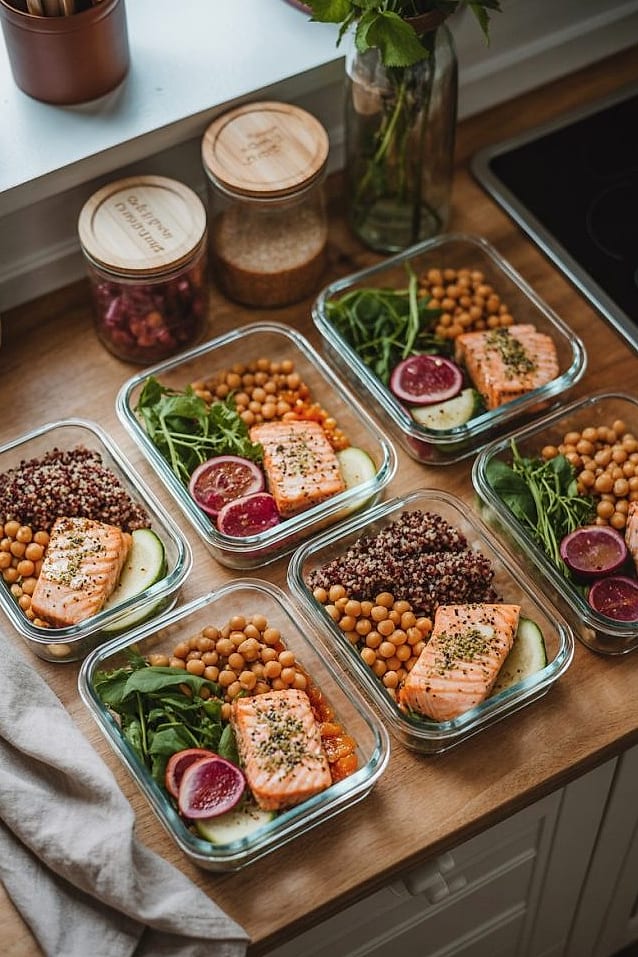
- Containers make or break this. I use stackable glass meal-prep containers for plans like this because they reheat evenly and don’t hold onto smells the way plastic sometimes does.
- Swap freely. If you don’t like a vegetable or protein listed, substitute something similar with a comparable calorie count.
- Portions are approximate. Macros will shift slightly depending on brands, exact weights, and how you measure oil.
Planning a month-long meal plan within a tight word limit.
30-Day Low-Calorie Meal Prep Plan (Printable PDF)
Thirty days of cooking something new every single meal isn’t realistic for most people, and honestly, it’s not even the smart way to lose weight or eat lighter. What actually works is picking a handful of solid, satisfying low-calorie meals, batch cooking them once a week, and repeating that rhythm for a month. That’s exactly what this plan does.
Below you’ll find four weeks of rotating breakfasts, lunches, dinners, and snacks, each one built around realistic portions and ingredients you can actually find at a regular grocery store. Every recipe comes with approximate macros so you know what you’re eating, plus prep and storage tips so the food actually survives in your fridge without turning into a sad, soggy mess by Wednesday.
This is designed to print out and stick on your fridge, so the language is straightforward and the steps are short. FYI, “low-calorie” here means meals generally landing between 300 and 500 calories, which keeps daily totals in a reasonable, sustainable range without anyone feeling like they’re starving by 3 p.m.
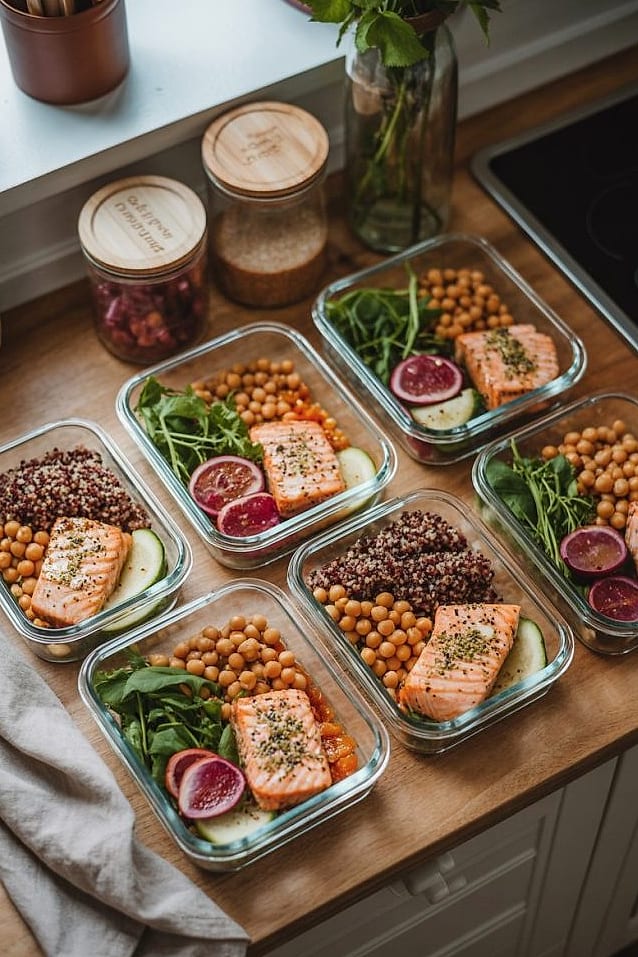
Image Prompt: Vertical Pinterest-style flat lay of a wooden kitchen table covered with stacked glass meal-prep containers filled with colorful low-calorie meals, grilled chicken, roasted vegetables, and grain bowls visible through the lids, bright natural morning light streaming in from the left, a small notebook and pen beside a printed weekly meal plan, warm neutral tones, editorial food-blog photography, shallow depth of field, clean negative space at the top for text overlay.
Why This Meal Prep Plan Works
The biggest reason people fall off a meal plan isn’t the food, it’s the decision fatigue. When you’re deciding what to eat five times a day for thirty days straight, you burn out fast. Rotating a small set of meals weekly removes that friction entirely.
This plan also leans on ingredient overlap. Chicken breast, eggs, oats, and roasted vegetables show up again and again in different forms, which keeps your grocery bill predictable and your fridge from turning into a science experiment. Nobody wants to spend Sunday afternoon chopping fourteen different vegetables just to prepare three lunches. A little repetition makes the whole thing much easier to stick with.
According to Harvard T.H. Chan School of Public Health, sustainable weight management tends to come from consistent, moderate calorie reduction paired with protein and fiber that keep you full, rather than extreme restriction. That’s the approach here: real food, reasonable portions, and enough protein to keep you satisfied.
How to Use This Printable Plan
Each week runs on the same basic structure: one breakfast, one lunch, one dinner, and one snack, prepped in batches on a single day and eaten on repeat with small variations to keep things interesting. Print out each week’s page, tape it inside a cabinet door, and check off days as you go.
A few ground rules before you dive in:
- Prep day matters. Pick one day, usually Sunday, to cook proteins, roast vegetables, and portion snacks for the week ahead.
- Containers make or break this. I use stackable glass meal-prep containers for plans like this because they reheat evenly and don’t hold onto smells the way plastic sometimes does.
- Swap freely. If you don’t like a vegetable or protein listed, substitute something similar with a comparable calorie count.
- Portions are approximate. Macros will shift slightly depending on brands, exact weights, and how you measure oil.
Week 1 Meals
Week 1 keeps things simple and familiar, since starting a new routine works better without complicated techniques or unusual ingredients.
Breakfast: Overnight Oats with Berries
This is the kind of breakfast you make once and grab from the fridge for four mornings straight, no cooking required.
Ingredients (makes 4 servings)
- 2 cups rolled oats
- 2 cups unsweetened almond milk
- 1 cup plain nonfat Greek yogurt
- 2 tablespoons chia seeds
- 2 tablespoons honey
- 2 cups mixed berries, divided
Instructions
- In a large bowl, whisk together the oats, almond milk, yogurt, chia seeds, and honey.
- Divide the mixture evenly into four jars or containers.
- Top each with a portion of berries, seal, and refrigerate overnight.
- Stir before eating; add a splash of milk if it’s too thick.
Macros (per serving, approximate)
Calories: approximately 290 | Protein: approximately 14 g | Carbohydrates: approximately 45 g | Fat: approximately 7 g | Fiber: approximately 9 g
Lunch: Grilled Chicken and Quinoa Bowl
A straightforward bowl that reheats well and doesn’t get soggy, which makes it ideal for desk lunches.
Ingredients (makes 4 servings)
- 1.5 pounds boneless, skinless chicken breast
- 1.5 cups quinoa, uncooked
- 4 cups baby spinach
- 1 cup cherry tomatoes, halved
- 1/2 cucumber, diced
- 3 tablespoons olive oil
- 2 tablespoons lemon juice
- Salt, pepper, garlic powder to taste
Instructions
- Season the chicken with salt, pepper, and garlic powder, then grill or pan-sear over medium heat for 6 to 7 minutes per side until cooked through.
- Cook the quinoa according to package directions and let it cool slightly.
- Divide spinach, quinoa, tomatoes, and cucumber into four containers.
- Slice the chicken and add it on top.
- Whisk olive oil and lemon juice together and drizzle over each bowl just before eating.
Macros (per serving, approximate)
Calories: approximately 420 | Protein: approximately 38 g | Carbohydrates: approximately 33 g | Fat: approximately 14 g | Fiber: approximately 5 g
Dinner: Baked Salmon with Roasted Vegetables
Salmon cooks fast, tastes rich, and pairs well with whatever vegetables are sitting in your crisper drawer.
Ingredients (makes 4 servings)
- 4 salmon fillets (about 5 ounces each)
- 4 cups broccoli florets
- 2 cups sliced bell peppers
- 2 tablespoons olive oil, divided
- 1 lemon, sliced
- Salt, pepper, paprika to taste
Instructions
- Preheat the oven to 400°F.
- Toss broccoli and peppers with half the olive oil, salt, and pepper on a sheet pan.
- Roast for 10 minutes, then push vegetables to one side.
- Place salmon on the empty side, drizzle with remaining oil, season with paprika, and top with lemon slices.
- Roast for another 12 to 14 minutes until the salmon flakes easily.
Macros (per serving, approximate)
Calories: approximately 380 | Protein: approximately 34 g | Carbohydrates: approximately 12 g | Fat: approximately 22 g | Fiber: approximately 4 g
Snack: Cottage Cheese with Pineapple
Ingredients (makes 4 servings)
- 2 cups low-fat cottage cheese
- 2 cups fresh pineapple chunks
Instructions
- Portion cottage cheese into four small containers.
- Top each with pineapple just before eating to keep the texture fresh.
Macros (per serving, approximate)
Calories: approximately 140 | Protein: approximately 14 g | Carbohydrates: approximately 16 g | Fat: approximately 2 g | Fiber: approximately 1 g
Approximate Week 1 Daily Total
Calories: approximately 1,230 | Protein: approximately 100 g | Carbohydrates: approximately 106 g | Fat: approximately 45 g | Fiber: approximately 19 g
Image Prompt: Overhead food photography of a glass meal-prep container holding grilled chicken quinoa bowl with baby spinach, cherry tomatoes, and cucumber, bright natural window light, rustic wooden table, small ramekin of lemon dressing beside it, fresh herbs scattered around, realistic and appetizing, Pinterest-friendly vertical composition with clean space at the top.
Week 2 Meals
Week 2 shifts the flavors toward something a little more Mediterranean-leaning, which helps prevent the plan from feeling repetitive.
Breakfast: Veggie Egg Muffins
Ingredients (makes 6 servings, 2 muffins each)
- 8 large eggs
- 1/2 cup egg whites
- 1 cup diced bell peppers
- 1/2 cup diced onion
- 1 cup chopped spinach
- 1/3 cup crumbled feta
- Salt and pepper to taste
Instructions
- Preheat oven to 350°F and grease a 12-cup muffin tin.
- Whisk eggs and egg whites together, then stir in vegetables, feta, salt, and pepper.
- Pour evenly into muffin cups.
- Bake for 18 to 20 minutes until set in the center.
- Cool completely before refrigerating in an airtight container.
Macros (per serving of 2 muffins, approximate)
Calories: approximately 180 | Protein: approximately 15 g | Carbohydrates: approximately 4 g | Fat: approximately 11 g | Fiber: approximately 1 g
Lunch: Mediterranean Chickpea Salad
Ingredients (makes 4 servings)
- 2 cans chickpeas, drained and rinsed
- 1 cup diced cucumber
- 1 cup cherry tomatoes, halved
- 1/2 cup crumbled feta
- 1/4 cup Kalamata olives, sliced
- 3 tablespoons extra-virgin olive oil
- 2 tablespoons red wine vinegar
- Fresh parsley, chopped
Instructions
- Combine chickpeas, cucumber, tomatoes, feta, and olives in a large bowl.
- Whisk olive oil and vinegar together and pour over the salad.
- Toss well, add parsley, and divide into four containers.
- Keeps well for up to four days refrigerated.
Macros (per serving, approximate)
Calories: approximately 360 | Protein: approximately 13 g | Carbohydrates: approximately 34 g | Fat: approximately 20 g | Fiber: approximately 9 g
Dinner: One-Pan Turkey and Vegetable Skillet
Ingredients (makes 4 servings)
- 1.25 pounds ground turkey (93% lean)
- 2 cups zucchini, diced
- 1 cup diced carrots
- 1 can diced tomatoes
- 1 teaspoon Italian seasoning
- 1 tablespoon olive oil
- Salt and pepper to taste
Instructions
- Heat olive oil in a large skillet over medium heat and add the ground turkey, breaking it apart as it cooks.
- Once mostly browned, add carrots and cook for 3 minutes.
- Stir in zucchini, diced tomatoes, and seasoning, then simmer for 10 minutes until vegetables soften.
- Divide into four containers and refrigerate.
Macros (per serving, approximate)
Calories: approximately 310 | Protein: approximately 29 g | Carbohydrates: approximately 13 g | Fat: approximately 16 g | Fiber: approximately 3 g
Snack: Hummus with Veggie Sticks
Ingredients (makes 4 servings)
- 1 cup hummus
- 2 cups carrot and celery sticks
Instructions
- Portion 1/4 cup hummus into small containers.
- Pack veggie sticks alongside for dipping.
Macros (per serving, approximate)
Calories: approximately 150 | Protein: approximately 5 g | Carbohydrates: approximately 16 g | Fat: approximately 8 g | Fiber: approximately 5 g
Image Prompt: Rustic overhead shot of Mediterranean chickpea salad in a shallow white ceramic bowl with visible chickpeas, cucumber, cherry tomatoes, Kalamata olives, and crumbled feta, warm natural light, linen napkin beside the bowl, wooden table, fresh parsley scattered nearby, crisp realistic food styling.
Week 3 Meals
By week three, most people want something a bit heartier, so this week leans on warm, filling dinners and a protein-forward breakfast.
Breakfast: Greek Yogurt Protein Bowl
Ingredients (makes 4 servings)
- 3 cups plain nonfat Greek yogurt
- 1/2 cup granola
- 1 cup mixed berries
- 2 tablespoons honey
- 2 tablespoons chopped walnuts
Instructions
- Divide yogurt into four containers.
- Store granola, berries, and walnuts separately to keep them crunchy.
- Combine and drizzle with honey right before eating.
Macros (per serving, approximate)
Calories: approximately 260 | Protein: approximately 20 g | Carbohydrates: approximately 30 g | Fat: approximately 7 g | Fiber: approximately 3 g
Lunch: Turkey and Hummus Wrap
Ingredients (makes 4 servings)
- 4 whole wheat tortillas
- 8 ounces sliced deli turkey
- 1/2 cup hummus
- 2 cups spinach
- 1 cup shredded carrots
Instructions
- Spread 2 tablespoons hummus on each tortilla.
- Layer turkey, spinach, and carrots on top.
- Roll tightly, slice in half, and wrap individually for grab-and-go lunches.
Macros (per serving, approximate)
Calories: approximately 340 | Protein: approximately 24 g | Carbohydrates: approximately 34 g | Fat: approximately 11 g | Fiber: approximately 6 g
Dinner: Shrimp and Vegetable Stir-Fry
Ingredients (makes 4 servings)
- 1.5 pounds shrimp, peeled and deveined
- 4 cups mixed stir-fry vegetables (broccoli, snap peas, carrots, bell pepper)
- 3 tablespoons low-sodium soy sauce
- 1 tablespoon sesame oil
- 2 cloves garlic, minced
- 1 tablespoon fresh ginger, minced
Instructions
- Heat sesame oil in a large skillet or wok over medium-high heat.
- Add garlic and ginger, cooking for 30 seconds until fragrant.
- Add shrimp and cook 2 to 3 minutes per side until pink and opaque.
- Remove shrimp, add vegetables, and stir-fry for 5 minutes until tender-crisp.
- Return shrimp to the pan, add soy sauce, and toss to combine.
Macros (per serving, approximate)
Calories: approximately 290 | Protein: approximately 33 g | Carbohydrates: approximately 14 g | Fat: approximately 10 g | Fiber: approximately 4 g
Snack: Apple with Almond Butter
Ingredients (makes 4 servings)
- 4 medium apples
- 4 tablespoons almond butter
Instructions
- Slice apples just before eating to prevent browning, or toss lightly in lemon juice if prepping ahead.
- Portion almond butter into small containers for dipping.
Macros (per serving, approximate)
Calories: approximately 190 | Protein: approximately 4 g | Carbohydrates: approximately 25 g | Fat: approximately 9 g | Fiber: approximately 5 g
Week 4 Meals
The final week brings back familiar flavors from week one but with different preparations, which helps close out the month without feeling stale.
Breakfast: Banana Oat Pancakes
Ingredients (makes 4 servings, 3 pancakes each)
- 2 ripe bananas, mashed
- 4 eggs
- 1.5 cups rolled oats, blended into flour
- 1 teaspoon cinnamon
- 1 teaspoon baking powder
Instructions
- Blend oats into a flour-like consistency in a blender.
- Mix all ingredients together in a bowl until smooth.
- Cook 1/4 cup portions on a lightly greased skillet over medium heat, flipping once bubbles form, about 2 to 3 minutes per side.
- Cool completely, then refrigerate or freeze in stacks separated by parchment paper.
Macros (per serving, approximate)
Calories: approximately 250 | Protein: approximately 12 g | Carbohydrates: approximately 33 g | Fat: approximately 8 g | Fiber: approximately 5 g
Lunch: Southwest Chicken Bowl
Ingredients (makes 4 servings)
- 1.5 pounds chicken breast, diced
- 1 can black beans, drained and rinsed
- 1 cup corn kernels
- 1 cup brown rice, cooked
- 1 cup diced tomatoes
- 1 tablespoon chili powder
- 1 teaspoon cumin
- 1 tablespoon olive oil
Instructions
- Season chicken with chili powder and cumin.
- Heat olive oil in a skillet and cook chicken until browned and cooked through, about 8 minutes.
- Divide rice, beans, corn, and tomatoes into four containers.
- Top with cooked chicken.
Macros (per serving, approximate)
Calories: approximately 410 | Protein: approximately 37 g | Carbohydrates: approximately 42 g | Fat: approximately 9 g | Fiber: approximately 8 g
Dinner: Lemon Herb Baked Cod
Ingredients (makes 4 servings)
- 4 cod fillets (about 5 ounces each)
- 4 cups green beans, trimmed
- 2 tablespoons olive oil
- 2 tablespoons lemon juice
- 1 teaspoon dried thyme
- Salt and pepper to taste
Instructions
- Preheat oven to 400°F.
- Place cod and green beans on a sheet pan, drizzle with olive oil and lemon juice.
- Season with thyme, salt, and pepper.
- Bake for 15 to 18 minutes until the cod flakes easily with a fork.
Macros (per serving, approximate)
Calories: approximately 260 | Protein: approximately 30 g | Carbohydrates: approximately 10 g | Fat: approximately 11 g | Fiber: approximately 4 g
Snack: Roasted Chickpeas
Ingredients (makes 4 servings)
- 2 cans chickpeas, drained, rinsed, and patted dry
- 2 tablespoons olive oil
- 1 teaspoon smoked paprika
- Salt to taste
Instructions
- Preheat oven to 400°F.
- Toss chickpeas with olive oil, paprika, and salt.
- Spread on a sheet pan and roast for 25 to 30 minutes, shaking halfway through, until crispy.
- Cool completely before storing in an airtight container.
Macros (per serving, approximate)
Calories: approximately 170 | Protein: approximately 7 g | Carbohydrates: approximately 20 g | Fat: approximately 7 g | Fiber: approximately 6 g
Image Prompt: Clean modern kitchen counter with a sheet pan of golden roasted chickpeas next to a baked cod fillet with green beans, bright natural light from a nearby window, white marble countertop, small dish of lemon wedges, minimalist styling, overhead angle, appetizing editorial food photography with soft shadows.
Grocery List by Category
Since ingredients repeat across the month, shopping stays fairly simple each week. Adjust quantities based on which week’s meals you’re prepping.
Vegetables: broccoli, bell peppers, zucchini, carrots, cucumber, spinach, green beans, snap peas, cherry tomatoes, onion
Fruits: berries, bananas, apples, pineapple, lemons
Protein: chicken breast, salmon, shrimp, cod, ground turkey, deli turkey, eggs, canned chickpeas, canned black beans
Dairy: Greek yogurt, cottage cheese, feta cheese, almond milk
Grains: rolled oats, quinoa, brown rice, whole wheat tortillas
Pantry Staples: olive oil, sesame oil, honey, chia seeds, almond butter, hummus, canned diced tomatoes, low-sodium soy sauce, granola, walnuts
Herbs and Spices: garlic, ginger, cumin, chili powder, smoked paprika, Italian seasoning, thyme, cinnamon
Storage and Meal-Prep Tips
Cooked proteins generally last three to four days refrigerated, so plan to cook halfway through the week if you’re prepping all seven days at once. Cooked grains like rice and quinoa hold up well for up to five days and freeze nicely in individual portions.
For dressings and sauces, store them separately from salads whenever possible so vegetables don’t wilt. If a recipe calls for fresh herbs as garnish, add them right before eating rather than during prep.
Freezing tip: Egg muffins, turkey skillet, and cooked chicken all freeze well for up to two months. Label containers with the date so nothing gets lost in the back of the freezer.
According to the USDA, cooked leftovers should generally be eaten or frozen within three to four days to stay at their best quality and safest for eating, so keep that window in mind as you rotate through each week’s batch.
Frequently Asked Questions
Can I swap proteins? Absolutely. Chicken, turkey, and white fish are mostly interchangeable across this plan as long as portion sizes stay similar.
What if I don’t like a specific vegetable? Substitute a similar-calorie vegetable you actually enjoy. Sticking with food you like is more important than following the list exactly.
Can I make this vegetarian? Yes, swap chicken and fish for tofu, tempeh, or additional beans, adjusting cook times accordingly.
How do I adjust portions if I’m more active? Add an extra half-cup of a starchy carb like rice or quinoa to lunch and dinner, or increase snack portions slightly.
Final Thoughts
Thirty days of low-calorie meal prep doesn’t have to mean thirty days of boring food or constant decision-making. With four weeks of rotating meals, a grocery list that reuses ingredients efficiently, and simple prep-day routines, this plan is built to actually survive real life, including busy weeknights and unpredictable schedules.
Print out each week, keep your containers stocked, and adjust portions as needed based on how your body responds. The goal isn’t perfection, it’s consistency, and this plan gives you a realistic structure to build that habit one week at a time.