1000 Calorie Meal Plan – 7-Day Low Calorie Menu & Grocery List PDF
- Protein at every meal. It’s the nutrient that does the most to keep you satisfied at a lower calorie level, so you’ll see eggs, Greek yogurt, chicken, and fish show up often.
- Fiber-rich vegetables and fruit. These add volume to meals without adding many calories, which matters a lot when your total daily budget is tight.
- Minimal food waste. Ingredients repeat across the week on purpose, so you’re not buying a whole bag of spinach to use two leaves of it.
- Simple cooking. Nothing here requires special equipment or more than about 25 minutes of active prep.
1000 Calorie Meal Plan – 7-Day Low Calorie Menu & Grocery List PDF
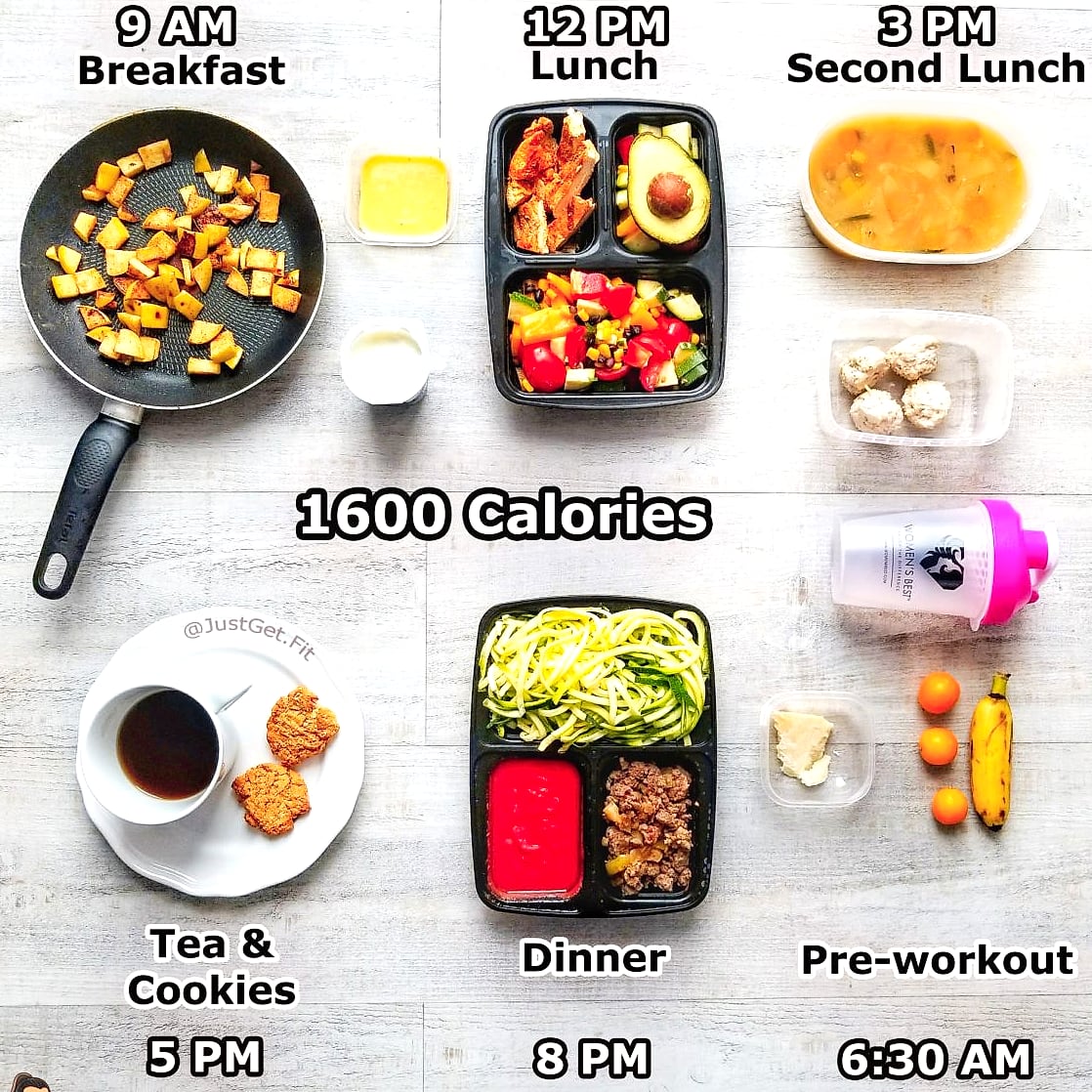
A 1000 calorie day sounds intimidating until you actually see it laid out on a plate. Three real meals, a snack, and nothing that feels like punishment. That’s the goal of this plan: structured enough to take the guesswork out of your week, flexible enough that you won’t feel like you’re eating cardboard by Wednesday.
I want to be upfront about something important before we get into the food. A 1000 calorie intake is a significant reduction for most adults, and it’s not appropriate for everyone. This kind of calorie level is generally considered a short-term, medically supervised approach rather than a long-term lifestyle, and it’s not suitable for pregnant or breastfeeding women, teenagers, people with a history of disordered eating, or anyone with an existing health condition. If that’s you, please talk to a doctor or registered dietitian before trying this, and consider that a more moderate deficit is usually more sustainable anyway. With that said, if you and your healthcare provider have decided this is a reasonable short-term option for you, this plan gives you seven realistic days to work with, plus a grocery list you can screenshot or print before you shop.
Image Prompt: Vertical Pinterest-style overhead food photograph of a full day of small, colorful meals arranged on a light wooden table — a small bowl of oatmeal with berries, a compact salad in a glass container, a piece of grilled chicken with roasted vegetables, and a small dish of almonds, bright natural window light, white linen napkin, minimalist clean styling, soft shadows, appetizing but portion-conscious presentation, negative space at the top for text.
How This 1000 Calorie Meal Plan Works
Each day in this plan comes in right around 950 to 1000 calories, split across three meals and one snack. I kept portions realistic rather than using tiny “diet food” tricks, because nobody sticks with a plan that leaves them staring into the fridge at 8 PM.
A few principles guided how I built this:
- Protein at every meal. It’s the nutrient that does the most to keep you satisfied at a lower calorie level, so you’ll see eggs, Greek yogurt, chicken, and fish show up often.
- Fiber-rich vegetables and fruit. These add volume to meals without adding many calories, which matters a lot when your total daily budget is tight.
- Minimal food waste. Ingredients repeat across the week on purpose, so you’re not buying a whole bag of spinach to use two leaves of it.
- Simple cooking. Nothing here requires special equipment or more than about 25 minutes of active prep.
A quick note on portions: all measurements are approximate, and brands vary. If you’re tracking closely, weighing food on a kitchen scale will give you more accurate numbers than eyeballing it. I personally use a simple digital food scale for weeks like this because it removes a lot of the guesswork, and it’s a small habit that makes portion control genuinely easier.
Who This Plan Is For (and Who It Isn’t For)
This plan tends to work best for adults who’ve discussed a short-term calorie reduction with a healthcare provider, who want a structured week rather than open-ended calorie counting, and who have a few consecutive days where they can control most of their meals (meaning minimal restaurant eating or travel).
It’s not a fit for anyone who’s very physically active, still growing, managing a chronic illness, or has a complicated relationship with food and restriction. Hunger is normal on any calorie deficit, but if you’re feeling lightheaded, unusually fatigued, or irritable beyond normal hunger, that’s your body telling you to eat more, not a sign to push through.
Grocery List for the Full Week
Buying everything up front saves you multiple trips and makes the week feel less overwhelming. Here’s what you’ll need for all seven days.
Vegetables
- Spinach (1 large bag)
- Mixed salad greens
- Cucumber (3)
- Cherry tomatoes (2 pints)
- Bell peppers (4)
- Zucchini (3)
- Broccoli (2 heads)
- Carrots (1 bag)
- Red onion (2)
- Garlic (1 head)
- Mushrooms (1 package)
Fruits
- Berries, fresh or frozen (2 cups)
- Apples (4)
- Bananas (3)
- Lemons (3)
- Oranges (2)
Protein
- Eggs (1 dozen)
- Chicken breast (1.5 lbs)
- White fish fillets, such as cod or tilapia (1 lb)
- Canned tuna in water (2 cans)
- Canned chickpeas (2 cans)
- Canned black beans (1 can)
Dairy
- Plain Greek yogurt, nonfat or low-fat (32 oz tub)
- Cottage cheese, low-fat (16 oz)
- Feta cheese (small block)
- Milk of choice (small carton)
Grains
- Rolled oats
- Quinoa
- Whole grain bread (1 loaf)
- Brown rice
Pantry Staples
- Extra-virgin olive oil
- Almonds or mixed nuts (small bag)
- Peanut butter or almond butter
- Honey
- Balsamic vinegar
- Low-sodium vegetable or chicken broth
Herbs and Spices
- Salt and black pepper
- Garlic powder
- Paprika
- Dried oregano
- Fresh parsley or cilantro
- Ground cinnamon
Other Essentials
- Hot sauce or salsa (optional, for flavor with minimal calories)
- Mustard
- Cooking spray
Image Prompt: Overhead editorial food-blog photograph of a full grocery haul organized in neat rows on a rustic wooden countertop — fresh vegetables, a carton of eggs, a tub of Greek yogurt, canned beans, a bag of oats, and lemons, bright natural daylight, muted earthy color palette, canvas grocery bags in the background, clean and organized styling, realistic and slightly imperfect arrangement, Pinterest-friendly vertical framing.
Day 1
Breakfast: Greek Yogurt Berry Bowl
This one takes about three minutes and does a lot of heavy lifting for protein early in the day, which tends to reduce how hungry you feel by lunchtime.
Ingredients
- 3/4 cup plain nonfat Greek yogurt
- 1/2 cup mixed berries
- 1 tablespoon honey
- 1 tablespoon almonds, chopped
Instructions
- Spoon the yogurt into a bowl.
- Top with berries and chopped almonds.
- Drizzle honey over the top and serve immediately.
Macros
Calories: approximately 230
Protein: approximately 20 g
Carbohydrates: approximately 26 g
Fat: approximately 6 g
Fiber: approximately 3 g
Lunch: Chickpea and Cucumber Salad
Cold, crunchy, and easy to eat at a desk. Make a double batch on Sunday and you’ve basically solved lunch for two days.
Ingredients
- 1/2 cup canned chickpeas, drained and rinsed
- 1/2 cucumber, diced
- 1/2 cup cherry tomatoes, halved
- 2 tablespoons crumbled feta
- 1 teaspoon olive oil
- Juice of 1/2 lemon
- Salt, pepper, oregano to taste
Instructions
- Combine chickpeas, cucumber, and tomatoes in a bowl.
- Whisk olive oil, lemon juice, and seasonings together.
- Pour dressing over the salad and toss with feta.
Macros
Calories: approximately 240
Protein: approximately 11 g
Carbohydrates: approximately 28 g
Fat: approximately 10 g
Fiber: approximately 7 g
Dinner: Baked Lemon Chicken with Roasted Broccoli
A sheet pan and about 20 minutes of hands-off oven time. This is one of those meals where the leftovers actually taste better the next day, so consider making extra chicken for tomorrow’s lunch.
Ingredients
- 4 oz chicken breast
- 1 cup broccoli florets
- 1 teaspoon olive oil
- Juice of 1/2 lemon
- Garlic powder, salt, pepper to taste
Instructions
- Preheat the oven to 400°F.
- Toss broccoli with half the olive oil and seasoning, spread on a sheet pan.
- Season chicken with remaining oil, lemon juice, garlic powder, salt, and pepper.
- Place chicken on the same pan and roast for 20 to 22 minutes, until the chicken reaches 165°F internally.
Macros
Calories: approximately 250
Protein: approximately 30 g
Carbohydrates: approximately 10 g
Fat: approximately 9 g
Fiber: approximately 3 g
Snack: Apple with Peanut Butter
Ingredients
- 1 small apple
- 1 tablespoon peanut butter
Instructions
- Slice the apple and serve with peanut butter for dipping.
Macros
Calories: approximately 160
Protein: approximately 4 g
Carbohydrates: approximately 20 g
Fat: approximately 8 g
Fiber: approximately 4 g
Approximate Day 1 Total
Calories: 880
Protein: 65 g
Carbohydrates: 84 g
Fat: 33 g
Fiber: 17 g
Day 2
Breakfast: Veggie Scrambled Eggs on Toast
Ingredients
- 2 large eggs
- 1/4 cup diced bell pepper
- 1/4 cup spinach
- 1 slice whole grain bread
- Cooking spray, salt, pepper
Instructions
- Spray a nonstick pan and heat over medium.
- Sauté bell pepper for 2 minutes, then add spinach until wilted.
- Whisk eggs, pour into the pan, and scramble until just set.
- Serve over toasted bread.
Macros
Calories: approximately 260
Protein: approximately 17 g
Carbohydrates: approximately 20 g
Fat: approximately 12 g
Fiber: approximately 3 g
Lunch: Leftover Lemon Chicken over Greens
Reheating yesterday’s chicken over a fresh bed of greens turns dinner into a completely different-feeling lunch.
Ingredients
- Leftover chicken breast from Day 1 (about 3 oz)
- 2 cups mixed salad greens
- 1/4 cup cherry tomatoes
- 1 teaspoon olive oil
- Balsamic vinegar to taste
Instructions
- Slice the leftover chicken.
- Toss greens and tomatoes with olive oil and balsamic vinegar.
- Top with sliced chicken.
Macros
Calories: approximately 220
Protein: approximately 25 g
Carbohydrates: approximately 9 g
Fat: approximately 9 g
Fiber: approximately 3 g
Dinner: Baked Cod with Quinoa and Zucchini
Fish cooks fast, which makes this one of the easier weeknight dinners on the whole plan.
Ingredients
- 4 oz cod fillet
- 1/3 cup cooked quinoa
- 1 small zucchini, sliced
- 1 teaspoon olive oil
- Paprika, salt, pepper
Instructions
- Preheat oven to 400°F.
- Season cod with paprika, salt, and pepper, place on a lined baking sheet.
- Toss zucchini slices with olive oil and add to the pan.
- Bake for 12 to 15 minutes until the fish flakes easily.
- Serve over cooked quinoa.
Macros
Calories: approximately 280
Protein: approximately 26 g
Carbohydrates: approximately 22 g
Fat: approximately 8 g
Fiber: approximately 3 g
Snack: Cottage Cheese with Cinnamon
Ingredients
- 1/2 cup low-fat cottage cheese
- Dash of cinnamon
- 1/2 sliced banana
Instructions
- Combine cottage cheese with banana slices and a dash of cinnamon.
Macros
Calories: approximately 130
Protein: approximately 12 g
Carbohydrates: approximately 15 g
Fat: approximately 2 g
Fiber: approximately 1 g
Approximate Day 2 Total
Calories: 890
Protein: 80 g
Carbohydrates: 66 g
Fat: 31 g
Fiber: 10 g
Image Prompt: Vertical overhead food photograph of baked cod with sliced zucchini and a small portion of quinoa on a matte ceramic plate, bright natural window light, warm wooden table, fresh lemon wedge and parsley garnish, clean modern kitchen styling, realistic textures, soft natural shadows, Pinterest-friendly composition with negative space near the top.
Day 3
Breakfast: Overnight Oats with Banana
Prep this the night before and breakfast is already done when you wake up. This is one of the easiest ways to avoid skipping breakfast on a busy morning.
Ingredients
- 1/3 cup rolled oats
- 2/3 cup milk of choice
- 1/2 banana, sliced
- 1 teaspoon honey
- Dash of cinnamon
Instructions
- Combine oats, milk, honey, and cinnamon in a jar or container.
- Stir, cover, and refrigerate overnight.
- Top with sliced banana before eating.
Macros
Calories: approximately 260
Protein: approximately 9 g
Carbohydrates: approximately 45 g
Fat: approximately 5 g
Fiber: approximately 5 g
Lunch: Tuna Salad Lettuce Wraps
Skipping the bread here keeps the calories down without making the meal feel lighter on flavor.
Ingredients
- 1 can tuna in water, drained
- 1 tablespoon plain Greek yogurt (instead of mayo)
- 1 teaspoon mustard
- 1/4 cup diced celery or cucumber
- 3 to 4 large lettuce leaves
Instructions
- Mix tuna, yogurt, mustard, and diced vegetables together.
- Spoon the mixture into lettuce leaves and roll or fold to eat.
Macros
Calories: approximately 190
Protein: approximately 28 g
Carbohydrates: approximately 6 g
Fat: approximately 5 g
Fiber: approximately 2 g
Dinner: Turkey-Style Stuffed Peppers (Chicken Version)
Ingredients
- 4 oz ground chicken (substitute ground turkey if preferred)
- 1 bell pepper, halved and seeded
- 1/4 cup cooked brown rice
- 2 tablespoons diced onion
- Garlic powder, paprika, salt, pepper
Instructions
- Preheat oven to 375°F.
- Cook ground chicken and onion in a pan until browned, about 6 minutes.
- Stir in cooked rice and seasonings.
- Stuff the mixture into pepper halves and bake for 20 minutes.
Macros
Calories: approximately 270
Protein: approximately 27 g
Carbohydrates: approximately 20 g
Fat: approximately 9 g
Fiber: approximately 3 g
Snack: Carrot Sticks and Hummus
Ingredients
- 1 cup carrot sticks
- 2 tablespoons hummus
Instructions
- Serve carrot sticks with hummus for dipping.
Macros
Calories: approximately 110
Protein: approximately 3 g
Carbohydrates: approximately 14 g
Fat: approximately 5 g
Fiber: approximately 4 g
Approximate Day 3 Total
Calories: 830
Protein: 67 g
Carbohydrates: 85 g
Fat: 24 g
Fiber: 14 g
Day 4
Breakfast: Cottage Cheese and Berry Bowl
Ingredients
- 3/4 cup low-fat cottage cheese
- 1/2 cup mixed berries
- 1 teaspoon honey
Instructions
- Combine cottage cheese and berries in a bowl.
- Drizzle with honey.
Macros
Calories: approximately 200
Protein: approximately 22 g
Carbohydrates: approximately 20 g
Fat: approximately 3 g
Fiber: approximately 3 g
Lunch: Mediterranean Quinoa Bowl
Ingredients
- 1/2 cup cooked quinoa
- 1/4 cup chickpeas
- 1/4 cup diced cucumber
- 1/4 cup diced tomato
- 1 tablespoon feta
- 1 teaspoon olive oil, lemon juice to taste
Instructions
- Combine quinoa, chickpeas, cucumber, and tomato in a bowl.
- Top with feta and dress with olive oil and lemon juice.
Macros
Calories: approximately 270
Protein: approximately 10 g
Carbohydrates: approximately 35 g
Fat: approximately 9 g
Fiber: approximately 6 g
Dinner: Garlic Shrimp Stir-Fry (Chicken Substitute Available)
If shrimp isn’t your thing, diced chicken breast works just as well here. IMO stir-fries are one of the most underrated ways to eat a lot of vegetables without noticing.
Ingredients
- 4 oz shrimp, peeled and deveined (or diced chicken breast)
- 1 cup mixed bell pepper and zucchini, sliced
- 1 clove garlic, minced
- 1 teaspoon olive oil
- Low-sodium soy sauce or coconut aminos, to taste
Instructions
- Heat olive oil in a pan over medium-high heat.
- Add garlic and vegetables, stir-fry for 4 minutes.
- Add shrimp and cook until pink and opaque, about 3 to 4 minutes.
- Season with soy sauce and serve.
Macros
Calories: approximately 230
Protein: approximately 26 g
Carbohydrates: approximately 12 g
Fat: approximately 8 g
Fiber: approximately 3 g
Snack: Orange and Almonds
Ingredients
- 1 orange
- 10 almonds
Instructions
- Peel and eat the orange alongside a small handful of almonds.
Macros
Calories: approximately 140
Protein: approximately 4 g
Carbohydrates: approximately 19 g
Fat: approximately 7 g
Fiber: approximately 4 g
Approximate Day 4 Total
Calories: 840
Protein: 62 g
Carbohydrates: 86 g
Fat: 27 g
Fiber: 16 g
Day 5
Breakfast: Egg and Spinach Muffins (Meal-Prepped)
These are worth batch-cooking on the weekend since they keep well and reheat in under a minute. Making a full tray at once turns this into a grab-and-go breakfast for multiple days.
Ingredients
- 4 large eggs
- 1/2 cup spinach, chopped
- 2 tablespoons diced bell pepper
- Salt, pepper, garlic powder
Instructions
- Preheat oven to 350°F and grease a muffin tin.
- Whisk eggs with seasonings.
- Stir in spinach and bell pepper.
- Pour into 4 muffin cups and bake for 18 to 20 minutes.
Macros (2 muffins)
Calories: approximately 190
Protein: approximately 15 g
Carbohydrates: approximately 3 g
Fat: approximately 12 g
Fiber: approximately 1 g
Lunch: Black Bean and Corn Salad
Ingredients
- 1/2 cup black beans, drained and rinsed
- 1/4 cup diced bell pepper
- 2 tablespoons diced red onion
- Juice of 1/2 lime (substitute lemon if needed)
- 1 teaspoon olive oil
- Cilantro, salt, pepper to taste
Instructions
- Combine beans, pepper, and onion in a bowl.
- Whisk lime juice, olive oil, and seasoning together.
- Toss the dressing through the salad and top with cilantro.
Macros
Calories: approximately 220
Protein: approximately 10 g
Carbohydrates: approximately 30 g
Fat: approximately 6 g
Fiber: approximately 8 g
Dinner: Roasted Chicken Thigh with Carrots
Ingredients
- 1 boneless, skinless chicken thigh (about 4 oz)
- 1 cup carrots, sliced
- 1 teaspoon olive oil
- Paprika, garlic powder, salt, pepper
Instructions
- Preheat oven to 400°F.
- Toss carrots with half the oil and seasoning on a sheet pan.
- Season chicken thigh with remaining oil and spices, add to the pan.
- Roast for 25 minutes, until chicken reaches 165°F internally.
Macros
Calories: approximately 270
Protein: approximately 24 g
Carbohydrates: approximately 12 g
Fat: approximately 14 g
Fiber: approximately 3 g
Snack: Rice Cake with Almond Butter
Ingredients
- 1 plain rice cake
- 1 tablespoon almond butter
Instructions
- Spread almond butter over the rice cake.
Macros
Calories: approximately 130
Protein: approximately 3 g
Carbohydrates: approximately 13 g
Fat: approximately 8 g
Fiber: approximately 2 g
Approximate Day 5 Total
Calories: 810
Protein: 52 g
Carbohydrates: 58 g
Fat: 40 g
Fiber: 14 g
Image Prompt: Rustic overhead photograph of a sheet pan with a roasted chicken thigh and sliced roasted carrots, warm cozy kitchen lighting, rustic wooden table, small dish of paprika and garlic powder in the background, natural steam rising slightly from the food, realistic editorial food-blog styling, Pinterest-vertical framing with soft negative space at the top.
Day 6
Breakfast: Peanut Butter Banana Toast
Ingredients
- 1 slice whole grain bread
- 1 tablespoon peanut butter
- 1/2 banana, sliced
Instructions
- Toast the bread.
- Spread peanut butter over the top and layer with banana slices.
Macros
Calories: approximately 220
Protein: approximately 8 g
Carbohydrates: approximately 27 g
Fat: approximately 9 g
Fiber: approximately 4 g
Lunch: Leftover Stuffed Pepper Half
Using the second half of Day 3’s stuffed pepper here keeps things efficient and cuts down on cooking time midweek.
Ingredients
- Remaining stuffed pepper half from Day 3
- 1 cup mixed greens
- Squeeze of lemon
Instructions
- Reheat the stuffed pepper until warmed through.
- Serve alongside a simple side salad of greens and lemon juice.
Macros
Calories: approximately 230
Protein: approximately 20 g
Carbohydrates: approximately 18 g
Fat: approximately 8 g
Fiber: approximately 3 g
Dinner: Baked Tilapia with Roasted Zucchini and Rice
Ingredients
- 4 oz tilapia fillet
- 1 small zucchini, sliced
- 1/3 cup cooked brown rice
- 1 teaspoon olive oil
- Lemon, garlic powder, salt, pepper
Instructions
- Preheat oven to 400°F.
- Season tilapia with garlic powder, salt, pepper, and a squeeze of lemon.
- Toss zucchini with olive oil and spread on the same pan.
- Bake for 12 to 15 minutes until fish flakes easily.
- Serve over rice.
Macros
Calories: approximately 260
Protein: approximately 27 g
Carbohydrates: approximately 22 g
Fat: approximately 6 g
Fiber: approximately 2 g
Snack: Greek Yogurt with Honey
Ingredients
- 1/2 cup plain Greek yogurt
- 1 teaspoon honey
Instructions
- Stir honey into yogurt and serve.
Macros
Calories: approximately 100
Protein: approximately 12 g
Carbohydrates: approximately 10 g
Fat: approximately 1 g
Fiber: approximately 0 g
Approximate Day 6 Total
Calories: 810
Protein: 67 g
Carbohydrates: 77 g
Fat: 24 g
Fiber: 9 g
Day 7
Breakfast: Veggie Egg White Scramble
Ingredients
- 3 egg whites plus 1 whole egg
- 1/4 cup mushrooms, sliced
- 1/4 cup spinach
- Salt, pepper, cooking spray
Instructions
- Spray a pan and sauté mushrooms for 2 minutes.
- Add spinach until wilted.
- Whisk eggs and egg whites, pour into the pan, and scramble until set.
Macros
Calories: approximately 150
Protein: approximately 18 g
Carbohydrates: approximately 4 g
Fat: approximately 6 g
Fiber: approximately 1 g
Lunch: Chicken and Veggie Grain Bowl
A good way to use up any remaining vegetables from the week before your next grocery trip.
Ingredients
- 3 oz cooked chicken breast, sliced or shredded
- 1/3 cup cooked quinoa or brown rice
- 1/2 cup roasted or raw mixed vegetables
- 1 teaspoon olive oil, lemon juice to taste
Instructions
- Layer grain, vegetables, and chicken in a bowl.
- Drizzle with olive oil and lemon juice before eating.
Macros
Calories: approximately 280
Protein: approximately 26 g
Carbohydrates: approximately 24 g
Fat: approximately 9 g
Fiber: approximately 4 g
Dinner: Baked Chicken Breast with Roasted Zucchini and Peppers
A simple way to close out the week without needing to think too hard about dinner.
Ingredients
- 4 oz chicken breast
- 1 cup mixed zucchini and bell pepper, sliced
- 1 teaspoon olive oil
- Oregano, garlic powder, salt, pepper
Instructions
- Preheat oven to 400°F.
- Toss vegetables with half the olive oil and seasoning on a sheet pan.
- Season chicken with remaining oil and spices, place on the pan.
- Roast for 20 to 22 minutes, until chicken reaches 165°F internally.
Macros
Calories: approximately 260
Protein: approximately 30 g
Carbohydrates: approximately 10 g
Fat: approximately 9 g
Fiber: approximately 3 g
Snack: Sliced Apple with Cottage Cheese
Ingredients
- 1 small apple, sliced
- 1/2 cup low-fat cottage cheese
Instructions
- Serve apple slices alongside cottage cheese for dipping or eating side by side.
Macros
Calories: approximately 170
Protein: approximately 14 g
Carbohydrates: approximately 20 g
Fat: approximately 2 g
Fiber: approximately 3 g
Approximate Day 7 Total
Calories: 860
Protein: 88 g
Carbohydrates: 58 g
Fat: 26 g
Fiber: 11 g
Meal-Prep Tips to Make the Week Easier
A little Sunday prep goes a long way with a plan like this. Here’s what actually helps:
- Cook grains in bulk. Make a batch of quinoa and brown rice at the start of the week so you’re just reheating, not starting from scratch each night.
- Wash and chop vegetables ahead of time. Storing pre-cut peppers, zucchini, and cucumber in containers means dinner comes together faster on tired weeknights.
- Bake the egg muffins and hard-boil a few extra eggs. Both keep in the fridge for about four days and make breakfast nearly instant.
- Portion snacks into small containers or bags. This removes the temptation to eat straight from a bigger bag, which tends to blow past the planned portion.
- Double up on proteins when you’re already cooking. If you’re roasting chicken for dinner, throw an extra piece on the pan for tomorrow’s lunch.
I personally rely on a set of stackable glass containers for weeks like this, since they let you see what’s inside without opening every lid, and they go straight from fridge to microwave.
According to the Harvard T.H. Chan School of Public Health, building meals around vegetables, whole grains, and lean protein supports satiety and overall diet quality, which lines up with how this week is structured.
Can I Substitute Ingredients?
Yes, and you generally should if something on the list doesn’t appeal to you or isn’t available. A few easy swaps:
- Swap tilapia or cod for any mild white fish, or use canned salmon.
- Swap ground chicken for ground turkey or extra-lean ground beef.
- Swap quinoa for brown rice, farro, or barley.
- Swap Greek yogurt for a plant-based unsweetened yogurt if you’re avoiding dairy, keeping in mind the protein content will usually be lower.
- Swap any vegetable for a similar one you already have on hand. Zucchini and yellow squash are interchangeable, as are spinach and kale.
What If I’m Too Hungry on This Plan?
This is worth taking seriously rather than pushing through. If you’re feeling excessively hungry, dizzy, or low-energy, that’s a signal to eat more, not a sign of willpower failure. Adding an extra serving of vegetables, a bit more protein, or an additional small snack can help, and if the feeling persists, it’s worth revisiting your calorie target with a healthcare provider. According to the Mayo Clinic, calorie needs vary significantly based on age, sex, activity level, and overall health, which is exactly why a one-size-fits-all number rarely fits everyone.
Storage and Freezer Notes
Most of the cooked proteins in this plan, including the chicken, shrimp, and stuffed peppers, keep well in the refrigerator for three to four days in a sealed container. The egg muffins and hard-boiled eggs hold up nicely for about four days as well.
For freezing, cooked chicken breast and stuffed peppers both freeze reasonably well for up to two months. Fish is best eaten fresh rather than frozen after cooking, since the texture tends to suffer on reheating.
Turning This Into a Printable Plan
If you want to keep this on your fridge or take it with you to the store, the day-by-day structure above and the categorized grocery list are built to be easy to screenshot, print, or copy into a notes app. Print each day on its own page if you want a checklist-style format for ticking off meals as you go, or keep the grocery list on your phone for a faster shopping trip.
Final Thoughts
Seven days, four real meals a day, and a grocery list that doesn’t require a special trip to some specialty store. That’s really what this plan comes down to. The repetition in ingredients isn’t laziness, it’s what keeps the shopping simple and the food waste low, while the day-to-day variety in how those ingredients get used keeps things from feeling repetitive at the table.
If you decide this calorie level is right for you with guidance from a healthcare provider, use this week as a starting structure rather than a rigid rulebook. Swap what you don’t like, lean on the prep tips when your schedule gets busy, and pay attention to how you actually feel as the week goes on.