Low-Cal Mug Cake
- Using unsweetened applesauce or mashed banana instead of oil or butter
- Choosing a light sweetener or reducing sugar and leaning on vanilla and cinnamon for flavor
- Using unsweetened cocoa powder for big chocolate flavor without added fat
- Incorporating protein powder or Greek yogurt to add volume and staying power
- Keeping portions to a single mug rather than doubling for "just in case"
Low-Cal Mug Cake
Some nights you don’t want a whole dessert situation. You just want something warm, chocolatey, and a little bit cakey, made in under five minutes, without dirtying half your kitchen. That’s the entire appeal of a mug cake, and when you build one with a lighter ingredient list, you get that same cozy payoff without derailing the rest of your day.
This article covers everything you need to make low-cal mug cakes that actually taste good, not the sad, rubbery kind that give the whole category a bad name. You’ll get eight distinct recipes, ranging from classic chocolate to fruity and spiced options, plus the ingredient swaps, cooking tips, and storage advice that make this a routine you’ll actually keep up with.
Why Mug Cakes Work So Well for Lighter Baking
Mug cakes are naturally portion-controlled. You’re baking one serving in one mug, so there’s no leftover pan of brownies calling your name from the counter at 11 p.m. That built-in structure makes it a lot easier to enjoy something sweet without overdoing it.
They’re also incredibly forgiving. Because the batter volume is so small, ingredient swaps that might wreck a full-size cake barely register here. Swap oil for applesauce, sugar for a sugar substitute, or regular flour for oat flour, and the texture usually holds up fine.
A few things make a mug cake genuinely lower in calories without turning it into something you’d rather skip:
- Using unsweetened applesauce or mashed banana instead of oil or butter
- Choosing a light sweetener or reducing sugar and leaning on vanilla and cinnamon for flavor
- Using unsweetened cocoa powder for big chocolate flavor without added fat
- Incorporating protein powder or Greek yogurt to add volume and staying power
- Keeping portions to a single mug rather than doubling for “just in case”
None of this requires special diet products. Most of these ingredients are probably already in your kitchen.
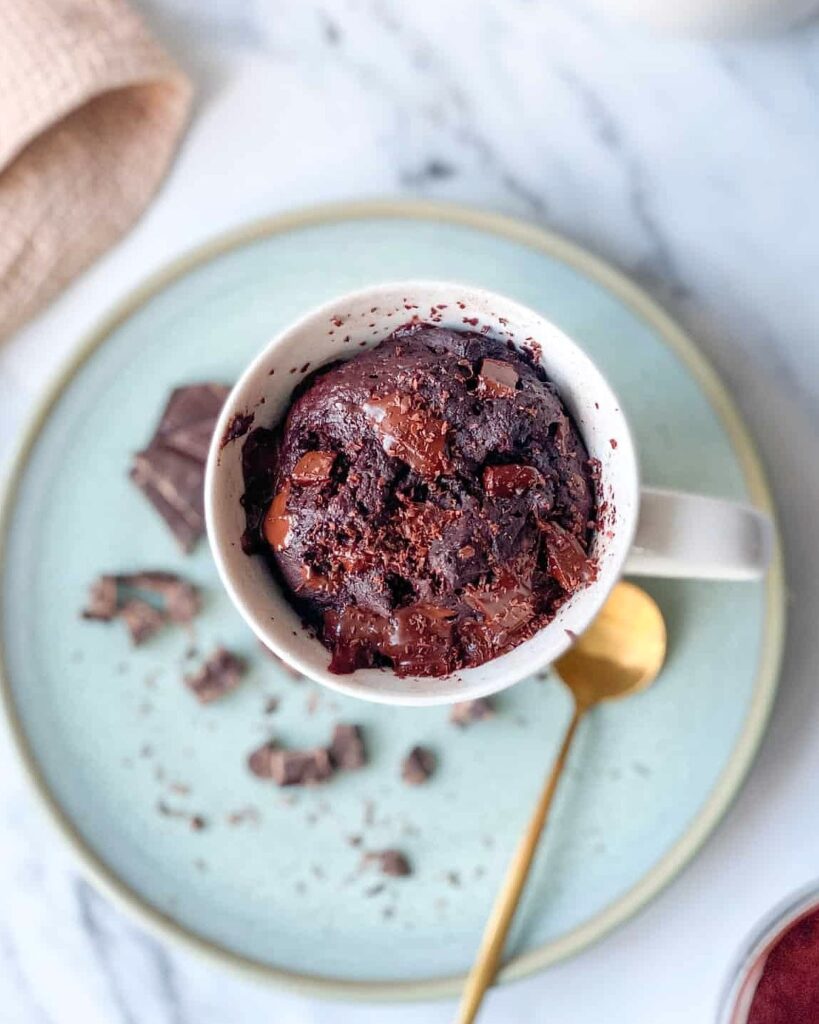
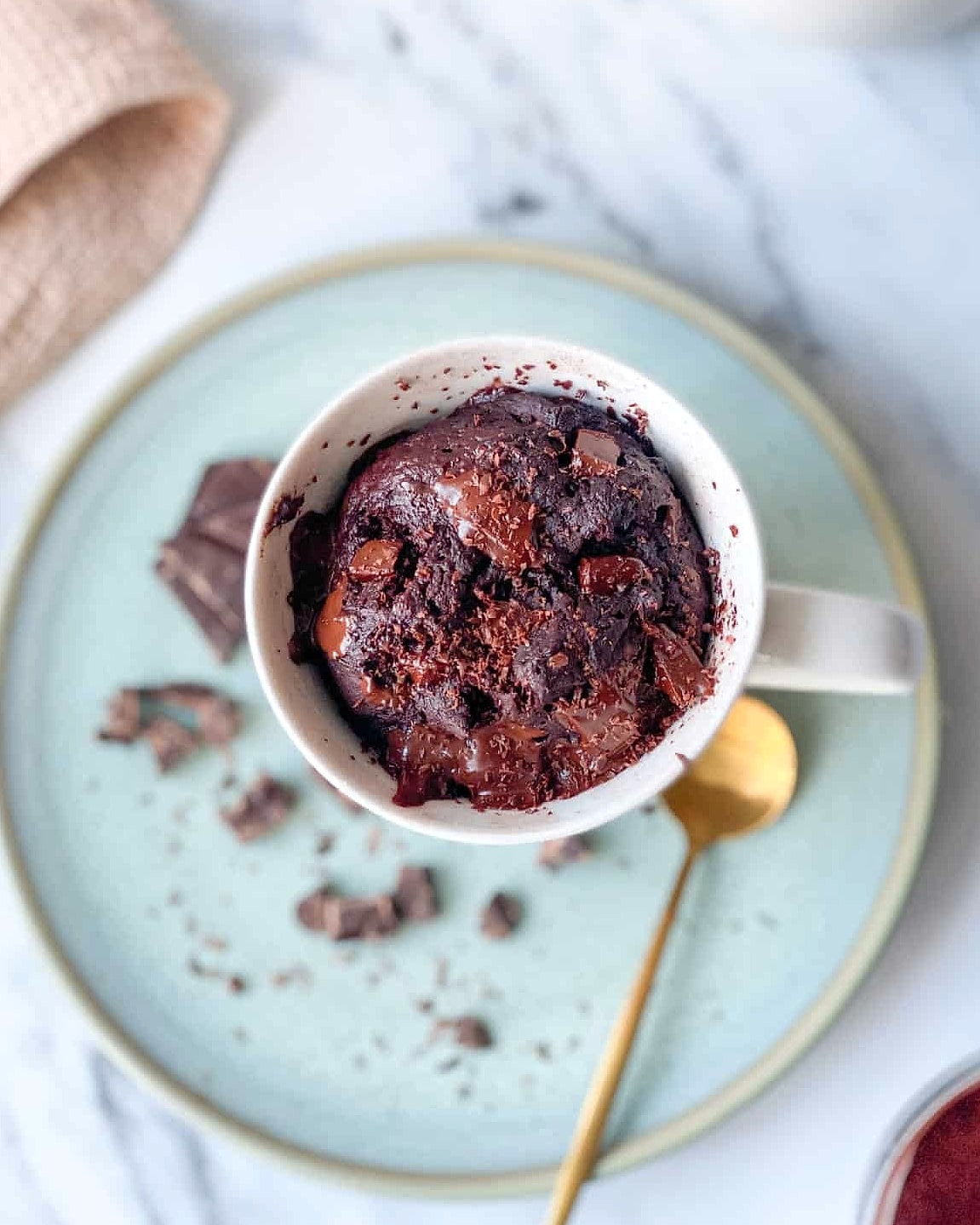
Image Prompt: Overhead photograph of a small white ceramic mug filled with a warm chocolate mug cake, steam gently rising, a spoon resting beside it, scattered cocoa powder and a few chocolate shavings on a rustic wooden table, soft natural morning light from the side, cozy warm-toned kitchen background slightly blurred, Pinterest-style vertical composition with negative space near the top.
How to Make Any Mug Cake Turn Out Right
Before jumping into recipes, it helps to understand the basic mechanics, since a few small habits make the difference between a moist, tender mug cake and a chewy, overcooked hockey puck.
Use a microwave-safe mug that holds at least 12 ounces. Batter rises as it cooks, and a mug that’s too small means overflow onto your microwave floor. Nobody enjoys cleaning that up.
Mix the dry ingredients first, then add wet ingredients and stir until just combined. Overmixing can make the texture gummy. A few small lumps are fine.
Microwave in short bursts rather than one long blast. Start with 60 to 75 seconds on high, then check. Every microwave wattage is different, so the first time you make a new recipe, check at 45 seconds and add time in 10-second increments from there.
Let it rest for a minute before eating. The cake continues to set slightly as it cools, and the center firms up. Digging in immediately usually means a gooey middle that hasn’t quite finished cooking.
If you’re also building out other lighter meals around your day, a low-calorie breakfast plan pairs nicely with an evening mug cake, since it leaves a little more room in your daily calories for dessert without feeling like you’re trading away a full meal.
8 Low-Cal Mug Cake Recipes
1. Classic Chocolate Mug Cake
This is the one to start with if you’ve never made a mug cake before. It’s rich enough to satisfy a chocolate craving but light enough that you won’t feel weighed down afterward.
Ingredients
- 3 tablespoons all-purpose flour (or oat flour for a slightly heartier texture)
- 2 tablespoons unsweetened cocoa powder
- 2 tablespoons granulated sugar or a 1:1 sugar substitute
- 1/4 teaspoon baking powder
- Pinch of salt
- 3 tablespoons unsweetened applesauce
- 3 tablespoons unsweetened almond milk (or any milk you have)
- 1/4 teaspoon vanilla extract
Instructions
- In a microwave-safe mug, whisk together the flour, cocoa powder, sugar, baking powder, and salt.
- Add the applesauce, milk, and vanilla, and stir until just combined and no dry streaks remain.
- Microwave on high for 60 to 75 seconds, checking at the 45-second mark.
- Let the cake sit for 1 minute before eating.
Macros (approximate)
Calories: 160
Protein: 4 g
Carbohydrates: 32 g
Fat: 2 g
Fiber: 3 g
2. Vanilla Protein Mug Cake
This one leans on protein powder for staying power, which makes it a reasonable option if you want something sweet that still feels like it’s doing a little nutritional work.
Ingredients
- 2 tablespoons all-purpose flour
- 1 scoop (about 25 g) vanilla protein powder
- 1/4 teaspoon baking powder
- 1/4 cup unsweetened almond milk
- 1 tablespoon plain Greek yogurt
- 1/2 teaspoon vanilla extract
Instructions
- Whisk the flour, protein powder, and baking powder together in a mug.
- Stir in the almond milk, Greek yogurt, and vanilla until smooth.
- Microwave on high for 60 to 90 seconds, checking at 50 seconds, since protein powder can dry out quickly if overcooked.
- Rest for a minute, then enjoy warm.
Macros (approximate)
Calories: 180
Protein: 20 g
Carbohydrates: 16 g
Fat: 3 g
Fiber: 1 g
Substitution tip: If your protein powder is unflavored, add an extra half teaspoon of vanilla and a small pinch of cinnamon to round out the flavor.
3. Banana Mug Cake
Mashed banana replaces most of the added fat and sugar here, so this version is naturally sweeter and a little denser than a flour-based cake.
Ingredients
- 1/2 medium ripe banana, mashed
- 1 egg white
- 3 tablespoons oat flour
- 1/4 teaspoon baking powder
- 1/4 teaspoon cinnamon
- 1 teaspoon honey or maple syrup (optional)
Instructions
- Mash the banana in a mug until smooth.
- Add the egg white and stir well.
- Mix in the oat flour, baking powder, and cinnamon until combined.
- Microwave on high for 70 to 90 seconds, checking at 60 seconds.
- Drizzle with honey if using, and let it cool slightly before eating.
Macros (approximate)
Calories: 140
Protein: 6 g
Carbohydrates: 26 g
Fat: 1 g
Fiber: 3 g
4. Peanut Butter Mug Cake
A small amount of peanut butter goes a long way here, adding richness and protein without needing much added fat elsewhere in the recipe.
Ingredients
- 3 tablespoons all-purpose flour
- 1 tablespoon powdered peanut butter (PB2 or similar) plus 1 teaspoon natural peanut butter
- 1 tablespoon brown sugar
- 1/4 teaspoon baking powder
- Pinch of salt
- 1/4 cup unsweetened milk of choice
Instructions
- Combine the flour, powdered peanut butter, brown sugar, baking powder, and salt in a mug.
- Stir in the milk and natural peanut butter until the batter is smooth.
- Microwave on high for 60 to 80 seconds.
- Let rest for a minute; the center will continue to firm up slightly.
Macros (approximate)
Calories: 190
Protein: 8 g
Carbohydrates: 24 g
Fat: 6 g
Fiber: 2 g
Nut-free swap: Replace both peanut butter ingredients with sunflower seed butter for a similar flavor and texture without the peanuts.
5. Lemon Poppy Seed Mug Cake
Bright and a little tangy, this one is a nice change of pace if chocolate isn’t what you’re after that night.
Ingredients
- 3 tablespoons all-purpose flour
- 1 tablespoon granulated sugar
- 1/4 teaspoon baking powder
- 1/2 teaspoon poppy seeds
- 3 tablespoons plain Greek yogurt
- 1 tablespoon milk
- 1 teaspoon lemon juice
- 1/2 teaspoon lemon zest
Instructions
- Whisk together the flour, sugar, baking powder, and poppy seeds in a mug.
- Add the yogurt, milk, lemon juice, and zest, stirring until smooth.
- Microwave on high for 60 to 75 seconds.
- Let cool for a minute before digging in; the lemon flavor becomes more pronounced as it sits.
Macros (approximate)
Calories: 155
Protein: 6 g
Carbohydrates: 27 g
Fat: 2 g
Fiber: 1 g
6. Pumpkin Spice Mug Cake
This one is worth keeping in your back pocket once the weather turns cooler, though honestly it’s good any time of year if you’re craving warm spice flavors.
Ingredients
- 3 tablespoons all-purpose flour
- 2 tablespoons canned pumpkin puree
- 1 tablespoon brown sugar
- 1/4 teaspoon baking powder
- 1/2 teaspoon pumpkin pie spice
- 2 tablespoons unsweetened almond milk
Instructions
- Whisk the flour, brown sugar, baking powder, and pumpkin pie spice together in a mug.
- Stir in the pumpkin puree and almond milk until well combined.
- Microwave on high for 65 to 85 seconds.
- Let it rest for a minute before eating.
Macros (approximate)
Calories: 150
Protein: 3 g
Carbohydrates: 29 g
Fat: 2 g
Fiber: 3 g
7. Double Chocolate Chip Mug Cake
For nights when the regular chocolate version isn’t quite enough, this one adds a small handful of chocolate chips for pockets of melty chocolate throughout.
Ingredients
- 3 tablespoons all-purpose flour
- 2 tablespoons unsweetened cocoa powder
- 1 tablespoon sugar
- 1/4 teaspoon baking powder
- 3 tablespoons unsweetened applesauce
- 2 tablespoons milk
- 1 tablespoon mini chocolate chips
Instructions
- Whisk together the flour, cocoa powder, sugar, and baking powder in a mug.
- Stir in the applesauce and milk until smooth.
- Fold in the chocolate chips, reserving a few to press on top.
- Microwave on high for 65 to 80 seconds and let rest for a minute before eating.
Macros (approximate)
Calories: 175
Protein: 4 g
Carbohydrates: 30 g
Fat: 4 g
Fiber: 3 g
8. Cinnamon Roll Mug Cake
This version mimics the flavor of a cinnamon roll without the yeast, rolling, or rising time, which makes it a solid option when you want something a little more special.
Ingredients
- 3 tablespoons all-purpose flour
- 1 tablespoon brown sugar
- 1/4 teaspoon baking powder
- 1/2 teaspoon cinnamon
- 3 tablespoons unsweetened almond milk
- 1 teaspoon melted light butter or oil
- For the glaze: 1 tablespoon powdered sugar mixed with 1/2 teaspoon milk
Instructions
- Whisk the flour, brown sugar, baking powder, and cinnamon together in a mug.
- Stir in the almond milk and melted butter until smooth.
- Microwave on high for 60 to 75 seconds.
- Mix the powdered sugar and milk together, then drizzle over the warm cake before serving.
Macros (approximate)
Calories: 185
Protein: 3 g
Carbohydrates: 34 g
Fat: 3 g
Fiber: 1 g
Image Prompt: Close-up editorial food photograph of a cinnamon roll mug cake in a rustic stoneware mug, white glaze dripping down the sides, a light dusting of cinnamon on top, a small spoon resting against the mug, warm golden kitchen lighting, wooden countertop with a folded linen napkin nearby, shallow depth of field, cozy and inviting atmosphere, vertical framing suitable for Pinterest.
Ingredient Swaps That Actually Work
You don’t need every ingredient listed above to make these recipes happen. Here are swaps that hold up well in mug cake batter specifically:
- Applesauce for oil: Cuts fat significantly while keeping the cake moist. Works in nearly any of these recipes.
- Oat flour for all-purpose flour: Adds a bit more fiber and a slightly nuttier flavor. Use a 1:1 ratio.
- Egg white for a whole egg: Reduces fat while still providing structure, particularly useful in the banana version.
- Stevia or monk fruit blends for sugar: Can reduce added sugar, though texture may turn out slightly denser since sugar also affects moisture.
- Greek yogurt for some of the liquid: Adds protein and a slight tang, and works especially well in the lemon and vanilla protein versions.
If you dislike a specific ingredient, like coconut flour or a particular protein powder flavor, swap it for something with a similar function rather than skipping it outright, since baking powder, flour, and liquid ratios matter more than any single flavor ingredient.
Storage and Meal-Prep Notes
Mug cakes are really a made-to-order thing, but there are a few ways to make the process even faster on a regular basing.
Pre-mix dry ingredients in small jars or bags. Combine the flour, cocoa powder or spices, sugar, and baking powder for your favorite recipe ahead of time. When you want a mug cake, just add the wet ingredients and microwave.
Don’t try to make a big batch and refrigerate it for later. Mug cakes are best fresh, since the texture turns rubbery and a little tough once reheated. If you want extra portions, it’s better to make a second one fresh than to save a cooked one.
Keep dry mixes labeled and in a container with your other baking staples so grabbing one is as easy as reaching for a granola bar. I keep a small set of stackable containers in my pantry specifically for pre-portioned mixes like this, which makes weeknight dessert cravings a lot less of a production.
Common Questions About Low-Cal Mug Cakes
Can I bake these in the oven instead of the microwave?
Yes, if your mug is labeled oven-safe. Bake at 350°F for roughly 15 to 20 minutes, checking with a toothpick for doneness.
Why did my mug cake turn out rubbery?
This usually means it was overcooked. Microwave wattages vary a lot, so start checking earlier than the recipe suggests the first time you try it.
Can I double a recipe?
It’s better to make two mugs separately rather than doubling in one mug, since a single mug can only hold so much batter before it overflows during cooking.
Are these recipes gluten-free?
Not as written, but swapping in a gluten-free flour blend or oat flour labeled gluten-free typically works well with only minor texture differences.
How can I make these a bit more indulgent occasionally?
Add a small scoop of light ice cream on top, or a teaspoon of chocolate sauce. Since the base recipe is already lighter, a small addition here and there won’t undo the point of making it this way to begin with.
According to the Dietary Guidelines for Americans from the USDA, moderate amounts of added sugars can fit into an overall healthy eating pattern, which is a helpful reminder that an occasional mug cake isn’t something to overthink.
Bringing It All Together
Eight recipes is enough variety to get you through a couple of months without repeating yourself, and once you’ve got the basic ratios down, you’ll probably start improvising your own versions anyway. That’s part of the fun of mug cakes: they’re low-stakes enough to experiment with.
Pick whichever one sounds good tonight, keep your dry ingredients prepped for the ones you like best, and don’t overthink portion size beyond the single mug in front of you. That’s really the whole system, and it works.